
The BMI Dilemma
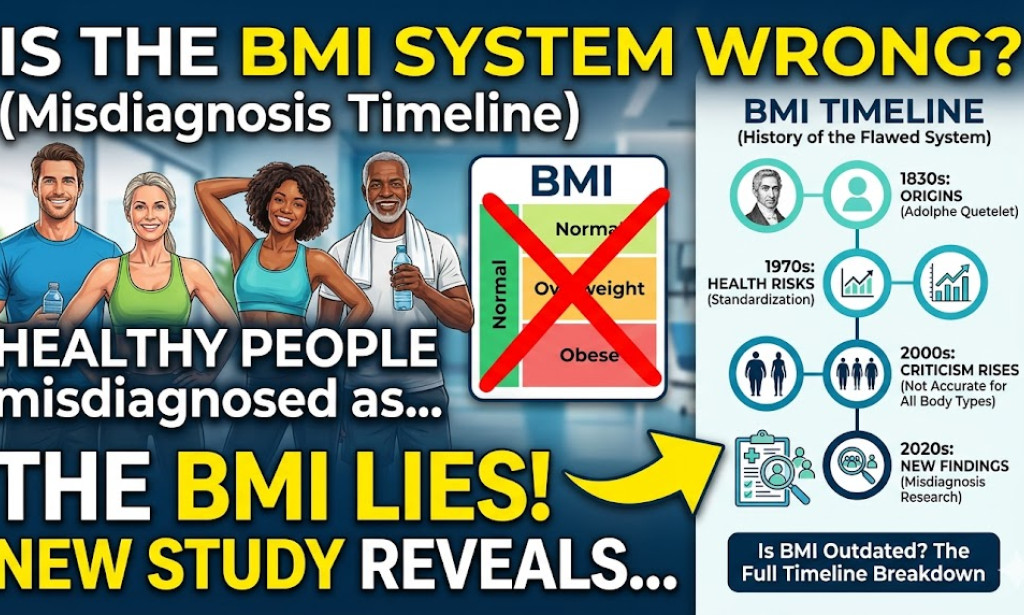
For decades, the Body Mass Index (BMI) has been the gold standard for measuring health and obesity. However, a groundbreaking study suggests that this simple mathematical formula—dividing a person's weight by the square of their height—is frequently wrong. By focusing solely on mass, the system ignores the critical distinction between muscle and fat, leading to widespread misdiagnosis.
The Findings: Misleading Metrics
The study found that nearly half of the individuals classified as "overweight" based on their BMI were actually metabolically healthy. Conversely, a significant percentage of those with "normal" BMI scores were found to have unhealthy metabolic markers, such as high blood pressure or insulin resistance. This phenomenon, often referred to as being "skinny fat," means that a low BMI can provide a false sense of security while a high BMI can cause unnecessary alarm.
Why BMI Falls Short
The primary issue with BMI is its simplicity. It was designed in the 19th century as a tool for population statistics, not for individual medical diagnosis. Its limitations include:
- Muscle Density: Muscle weighs more than fat but is metabolically active and beneficial. Athletes and bodybuilders often fall into the "obese" category despite having exceptionally low body fat percentages.
- Fat Distribution: BMI doesn't account for where fat is stored. Visceral fat (around the organs) is much more dangerous than subcutaneous fat, yet BMI treats all weight the same.
- Demographic Nuances: The BMI scale was originally developed using data from primarily white, European populations, making it less accurate for diverse ethnicities, different ages, and genders.
Moving Beyond the Number
Experts now suggest that we should look at a broader array of health indicators rather than relying on a single number. More accurate measures of health include:
- Waist-to-hip ratio and waist circumference.
- Body fat percentage (measured via DEXA scans or skinfold tests).
- Cardiovascular metrics like blood pressure and cholesterol levels.
- Blood sugar and insulin sensitivity markers.
Conclusion
While BMI can be a quick screening tool for large populations, it is an imperfect measure for individual health assessment. To get a true picture of your well-being, it is essential to consult with healthcare professionals who prioritize metabolic health and lifestyle factors over the simple numbers on a scale.
You must be logged in to post a comment.