
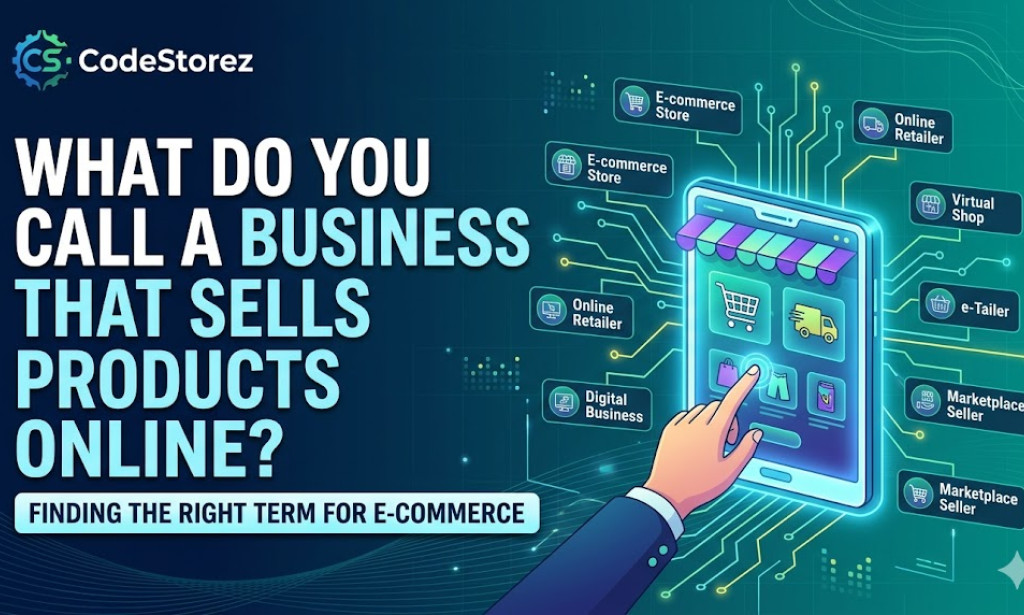
The Evolution of Digital Commerce
In the modern economy, the internet has transformed from a simple communication tool into the world's largest marketplace. While we often use the term 'online shopping' to describe the act of buying, the businesses facilitating these transactions have specific names based on their operational models and target audiences.
1. E-commerce Business
The most common and broad term is e-commerce, short for electronic commerce. This refers to any business or commercial transaction that involves the transfer of information across the internet. It is the 'umbrella' term for everything from digital downloads to physical goods.
2. E-tailer (Electronic Retailer)
An e-tailer is the digital version of a traditional brick-and-mortar retailer. These businesses buy products from wholesalers or manufacturers and sell them directly to the end consumer through a virtual storefront. Amazon is the world's most prominent example of an e-tailer.
3. Direct-to-Consumer (DTC)
A Direct-to-Consumer (DTC) brand is a company that designs, produces, and distributes its own products without the help of middle-men retailers. By selling through their own websites, these businesses maintain total control over their brand image and customer data.
4. Marketplace Seller
A marketplace seller is an individual or business that sells products through a third-party platform such as eBay, Etsy, or the Amazon Marketplace. These businesses don't necessarily need their own website; they leverage the traffic and infrastructure of an established giant to reach customers.
5. Dropshipping Business
A dropshipping business is a unique model where the seller does not keep the products it sells in stock. Instead, when a store sells a product, it purchases the item from a third party and has it shipped directly to the customer. The seller never sees or handles the product.
6. B2B vs. B2C
Online businesses are also categorized by who they sell to. B2C (Business-to-Consumer) is the most common model for online stores, selling to individual shoppers. Conversely, B2B (Business-to-Business) companies sell products or services to other businesses, often in bulk.
Conclusion
Whether you call it an e-commerce store, an e-tailer, or a DTC brand, the core of the business remains the same: leveraging digital technology to deliver value to customers. As technology evolves, we can expect even more specific terms to emerge in the digital commerce space.
You must be logged in to post a comment.