
Introduction
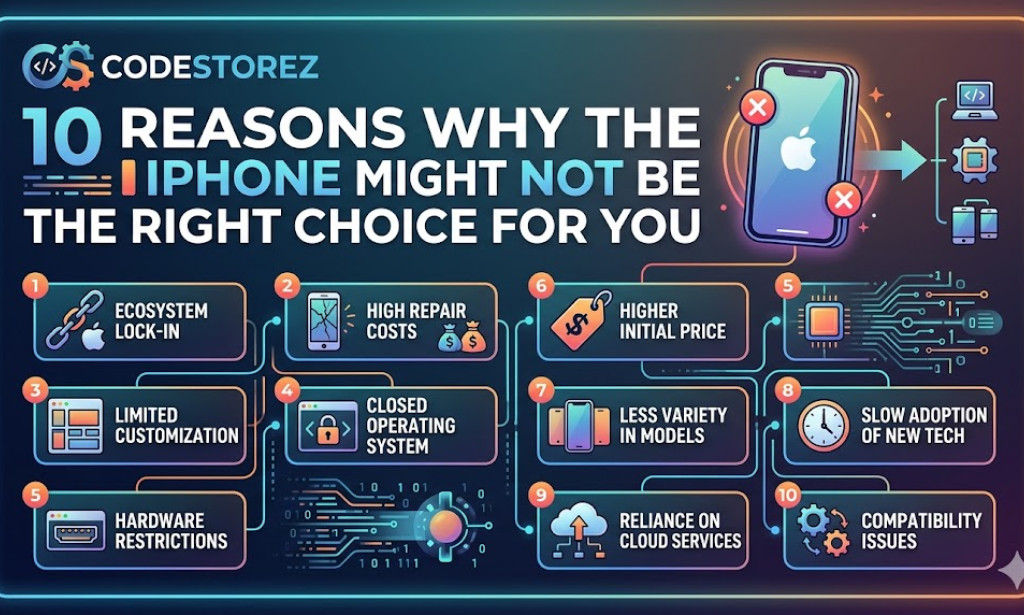
The iPhone has long been considered the gold standard of the smartphone industry, but it is far from a perfect device. While Apple’s marketing machine is powerful, there are several practical reasons why a consumer might prefer an Android device over the latest iPhone. From price points to system limitations, here are the top ten reasons why the iPhone might not be the best choice for your needs.
1. The High Cost of Entry
One of the most immediate barriers to owning an iPhone is the price. Apple maintains a premium pricing strategy that often makes their devices significantly more expensive than Android competitors with similar or even superior hardware specifications. For many, the 'Apple Tax' simply isn't worth the brand name.
2. Limited Customization
iOS is famous for its 'walled garden' approach. Unlike Android, which allows users to change icons, launchers, and deep system themes, the iPhone offers limited personalization. Users are largely forced to follow the aesthetic and functional layout that Apple prescribes.
3. Proprietary Ecosystem Lock-in
Apple’s ecosystem is designed to keep you trapped. Once you invest in an iPhone, Apple Watch, and iCloud, switching to a different platform becomes a logistical nightmare. This lock-in effect often forces users to stay with the brand even if they are unhappy with the hardware.
4. Slower Charging Speeds
While many Android flagships now support 65W, 80W, or even 120W fast charging, the iPhone has historically lagged behind. Even with recent transitions to USB-C, charging an iPhone to full capacity typically takes much longer than its competitors from brands like Xiaomi or OnePlus.
5. Frustrating File Management
For users who need to move files between their phone and various computers, the iPhone can be a headache. The sandboxed file system makes it difficult to treat the device like a simple external drive, often requiring the use of iTunes or cumbersome iCloud workarounds.
6. No Expandable Storage
Apple has never offered a microSD card slot on the iPhone. This means you are forced to pay exorbitant prices for higher internal storage tiers at the time of purchase. If you run out of space later, your only options are to delete files or pay for a monthly cloud subscription.
7. Restrictions on App Sideloading
Apple maintains a strict monopoly over how apps are installed. While regulations are changing in some regions like the EU, most users cannot easily install apps from outside the official App Store. This limits software freedom and prevents the use of many open-source applications.
8. Siri Falls Behind the Competition
Despite being one of the first virtual assistants on the market, Siri has struggled to keep pace with Google Assistant. Users frequently report that Siri is less accurate, has more trouble with natural language context, and integrates poorly with third-party, non-Apple services.
9. Incremental Hardware Innovation
In recent years, many critics have argued that iPhone updates have become stale. Each new model often features only minor improvements to the camera or processor, lacking the radical innovation seen in the Android world, such as folding screens or extreme zoom lenses.
10. High Repair Costs
Without the expensive AppleCare+ subscription, repairing an iPhone can be prohibitively expensive. Apple’s 'parts pairing' software also makes it difficult for independent repair shops to fix devices without disabling features like FaceID or TrueTone, forcing users back into the expensive Apple repair network.
Conclusion
The iPhone is undoubtedly a powerful and polished tool, but it is not the universal best fit for every consumer. Those who value customization, fast charging, and budget-friendly hardware may find that the restrictive nature of iOS and the high cost of Apple's hardware are significant dealbreakers.
You must be logged in to post a comment.